
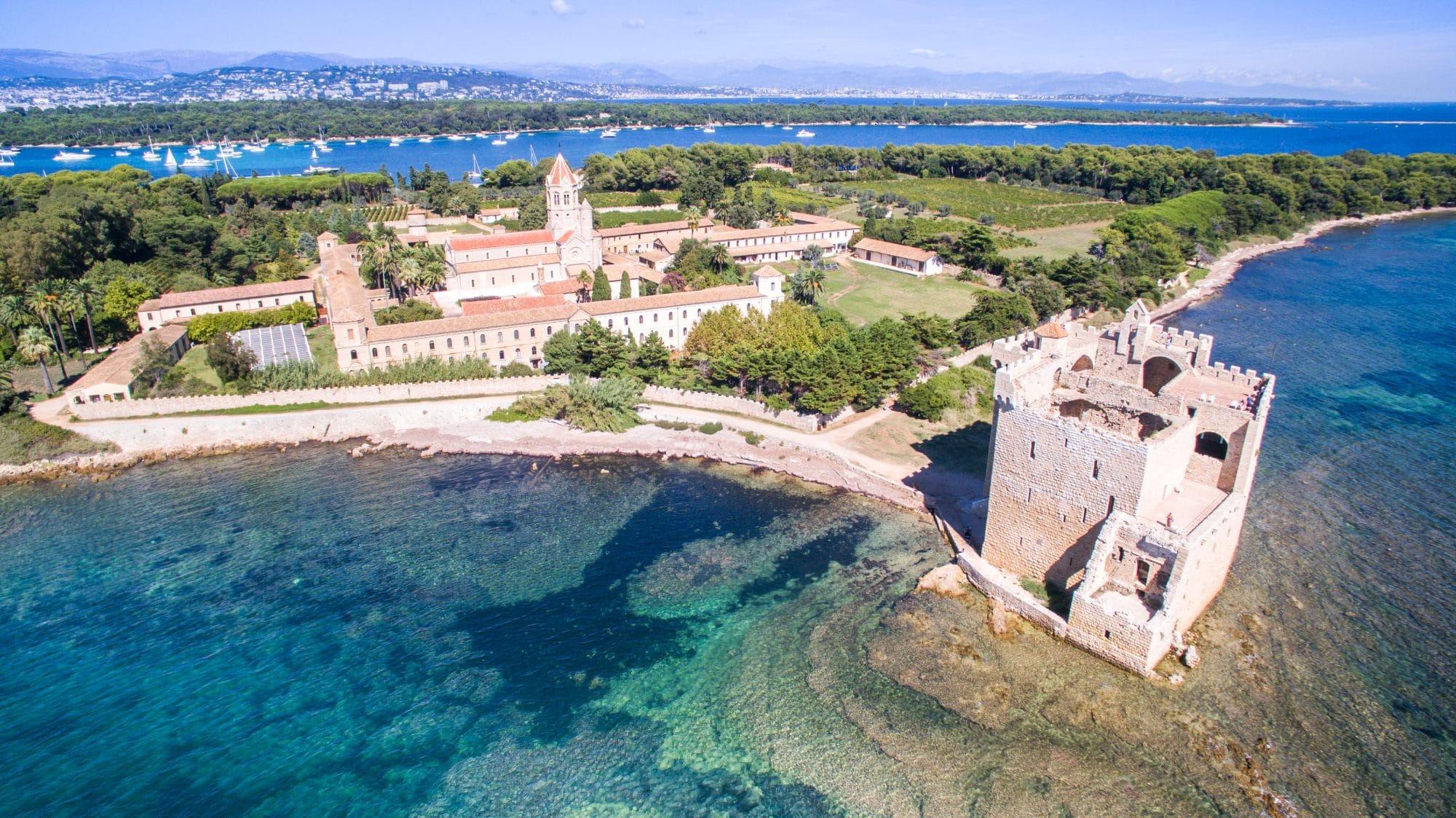
Located just off the coast of Cannes, in the heart of the French Riviera, Saint-Honorat Island is a place steeped in history, spirituality, and mystery. Smaller than its neighbor Sainte-Marguerite Island, it has been home to a community of monks for more than 1,600 years, making it one of the oldest continuously inhabited monastic sites in Western Europe.
Combining religious heritage, ancient legends, and preserved Mediterranean landscapes, Saint-Honorat Island captivates history lovers and visitors seeking peace and authenticity alike.
An Island in the Heart of the Bay of Cannes
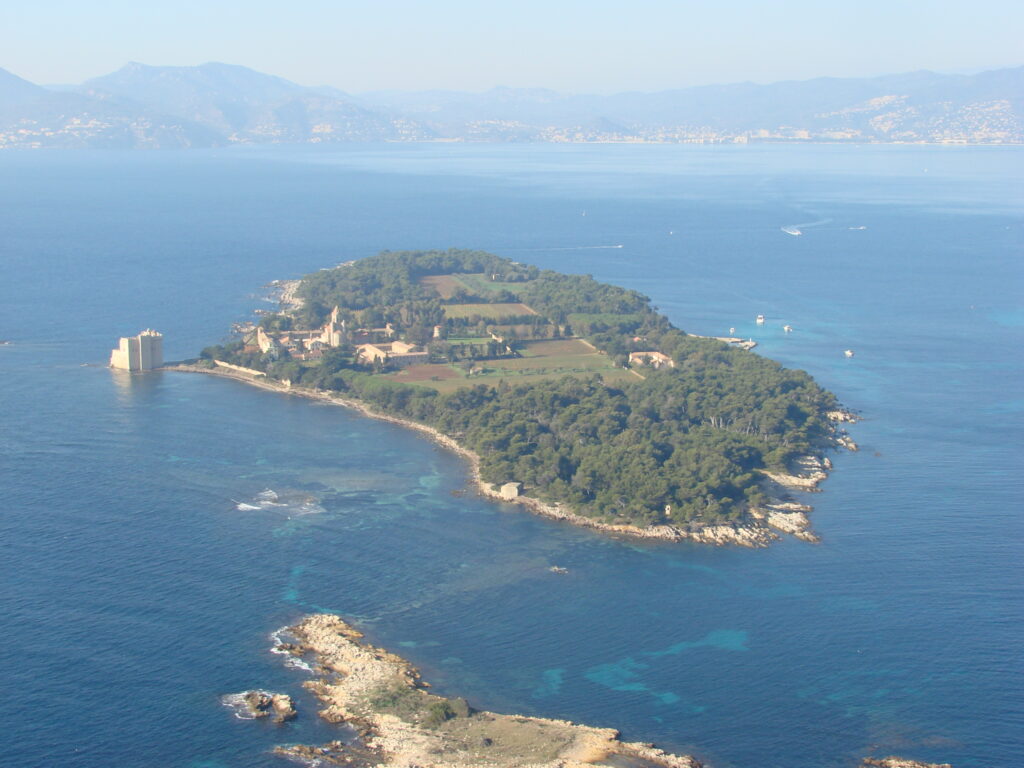
Saint-Honorat Island is part of the Lérins Islands, located about 800 meters from the coast of Cannes. With a modest surface area of approximately 40 hectares, it offers a serene atmosphere, far removed from the hustle and bustle of the nearby Croisette.
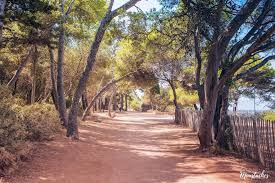
The island’s landscape is made up of pine forests, vineyards, ancient chapels, and monastic buildings. From the moment visitors arrive, they feel a timeless and peaceful atmosphere.
The Ancient Origins of Saint-Honorat Island
Before the arrival of the monks, the island was known as Lérina during Roman times. Archaeological remains attest to human presence dating back to Antiquity, likely linked to maritime navigation and trade.
However, it was in the 5th century that the island’s history took a decisive turn with the arrival of one man: Saint Honoratus.
Saint Honoratus and the Foundation of the Lérins Monastery
Around the year 410, Honoratus, a nobleman of Gallo-Roman origin, chose the island to establish a monastic community. He sought an isolated place to lead a life of prayer, study, and asceticism, inspired by Eastern monastic traditions.
Very quickly, the Lérins Monastery became a major spiritual center. Many future bishops and saints were trained there, spreading the island’s influence far beyond Provence.
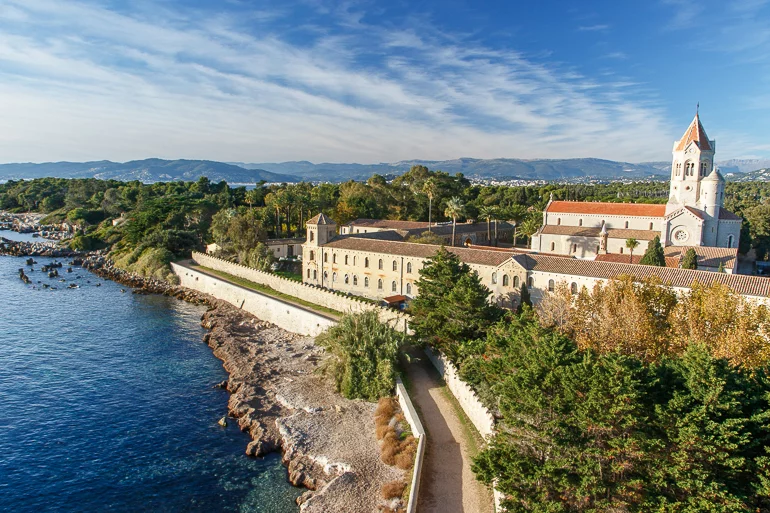
The Monks of Lérins Through the Centuries
A Monastic Life Marked by Hardship
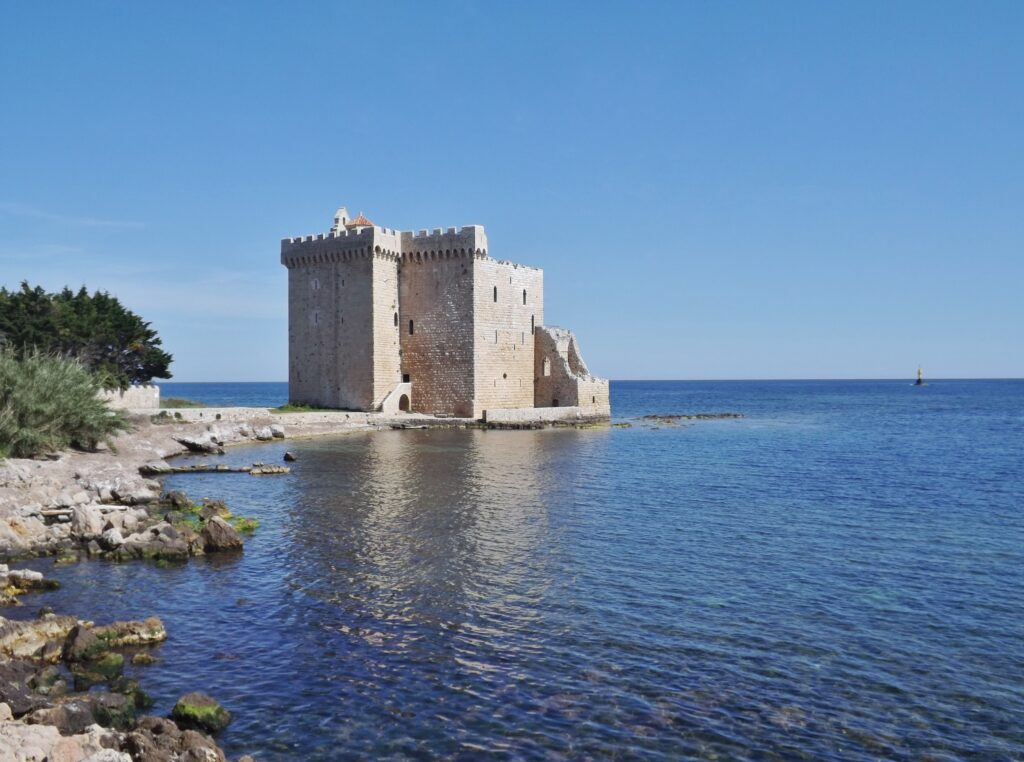
Over the centuries, the monks of Saint-Honorat faced numerous invasions, particularly from Saracen pirates during the Middle Ages. To protect themselves, they built a unique structure: the fortified monastery.
This impressive building, both a place of prayer and defense, is now one of the island’s most iconic landmarks.
Spiritual and Architectural Renewal
After periods of decline—especially during the French Revolution, when the monks were expelled—monastic life resumed in the 19th century with the arrival of the Cistercian monks.
Since then, the community has continued to follow a way of life based on:
- prayer,
- work,
- silence,
- welcoming visitors.
The Chapels of Saint-Honorat Island
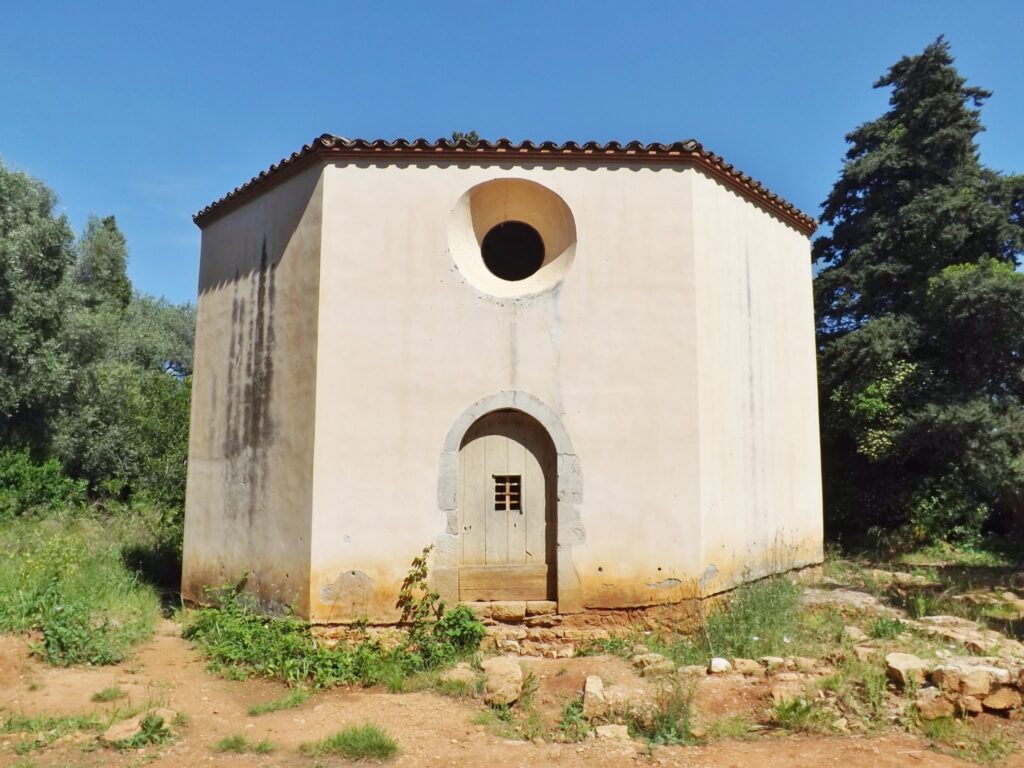
The island is home to seven chapels, scattered along the coastline and inland. Each one tells a part of the island’s spiritual history.
These chapels once served as places of individual meditation for the monks.
The Winemaking Monks of Saint-Honorat
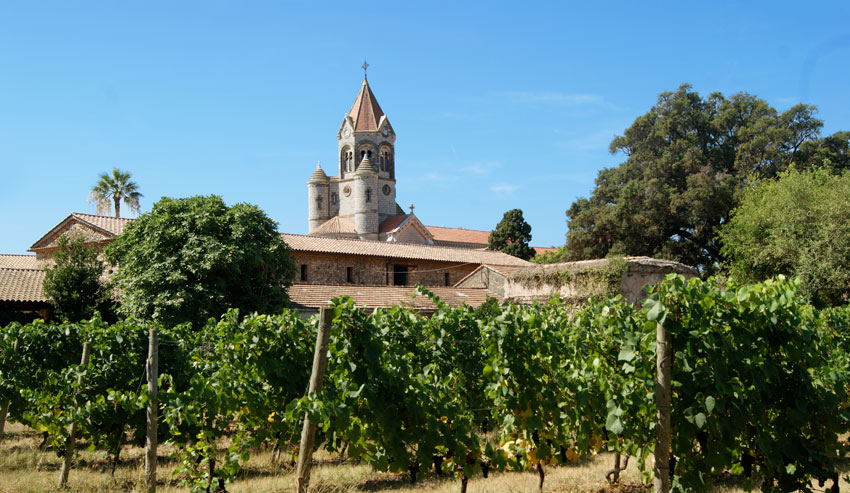
One lesser-known yet fascinating aspect of the island is its wine production. The monks have cultivated vineyards for centuries and today produce high-quality wines and liqueurs that are internationally recognized.
This activity allows the monks to support themselves while remaining faithful to their contemplative way of life.
Visiting Saint-Honorat Island Today
The island is open to visitors year-round and can be reached by boat from the port of Cannes. Visitors can:
- explore the monastery,
- walk around the island,
- visit the chapels,
- purchase products made by the monks,
- attend religious services.
An Exceptional Spiritual and Natural Heritage
Saint-Honorat Island is more than just a tourist destination. It is a living place, where history, faith, and nature have coexisted harmoniously for over sixteen centuries.
It represents a rare continuity between past and present, offering everyone a moment of serenity in the heart of the Bay of Cannes.